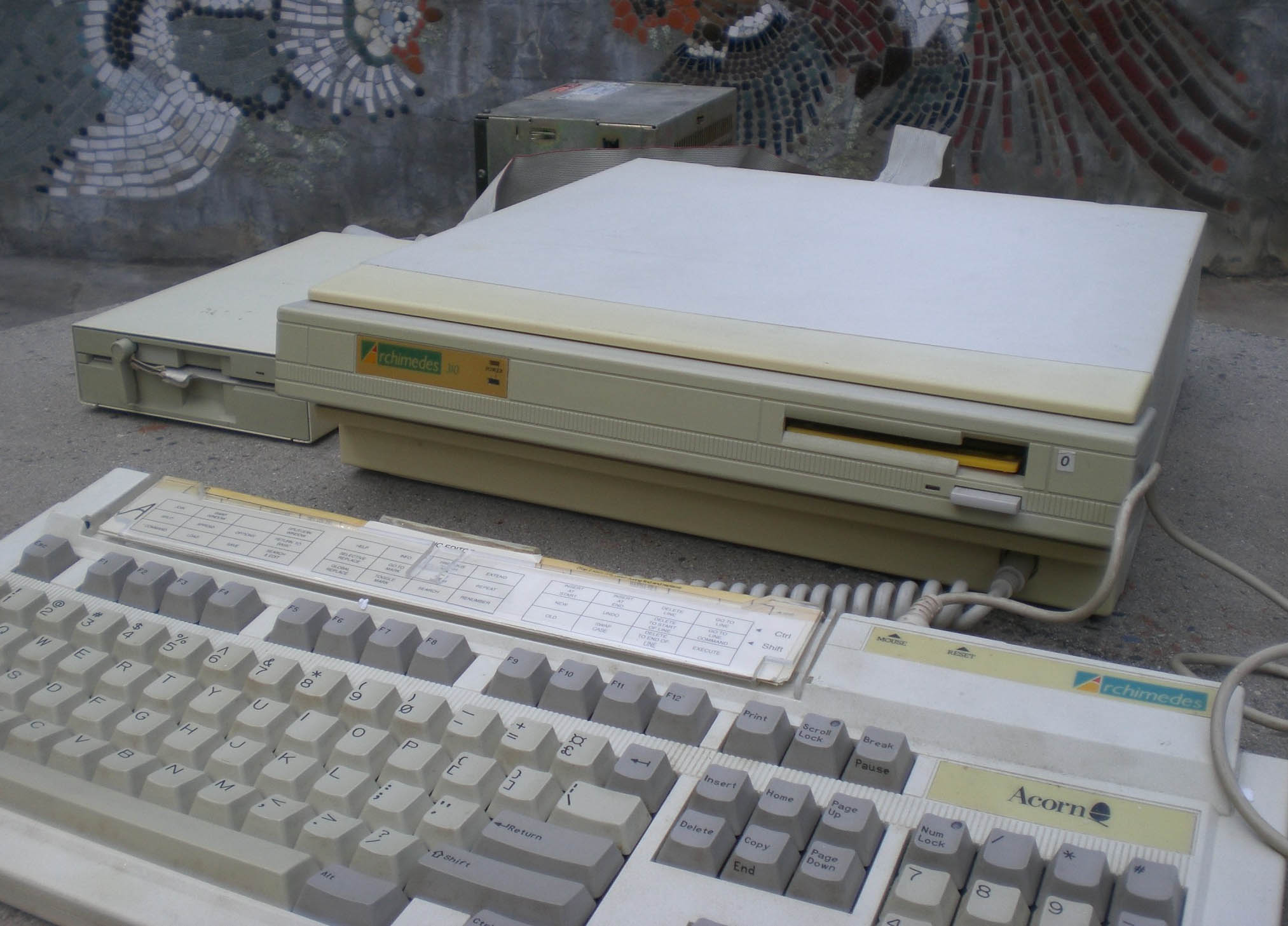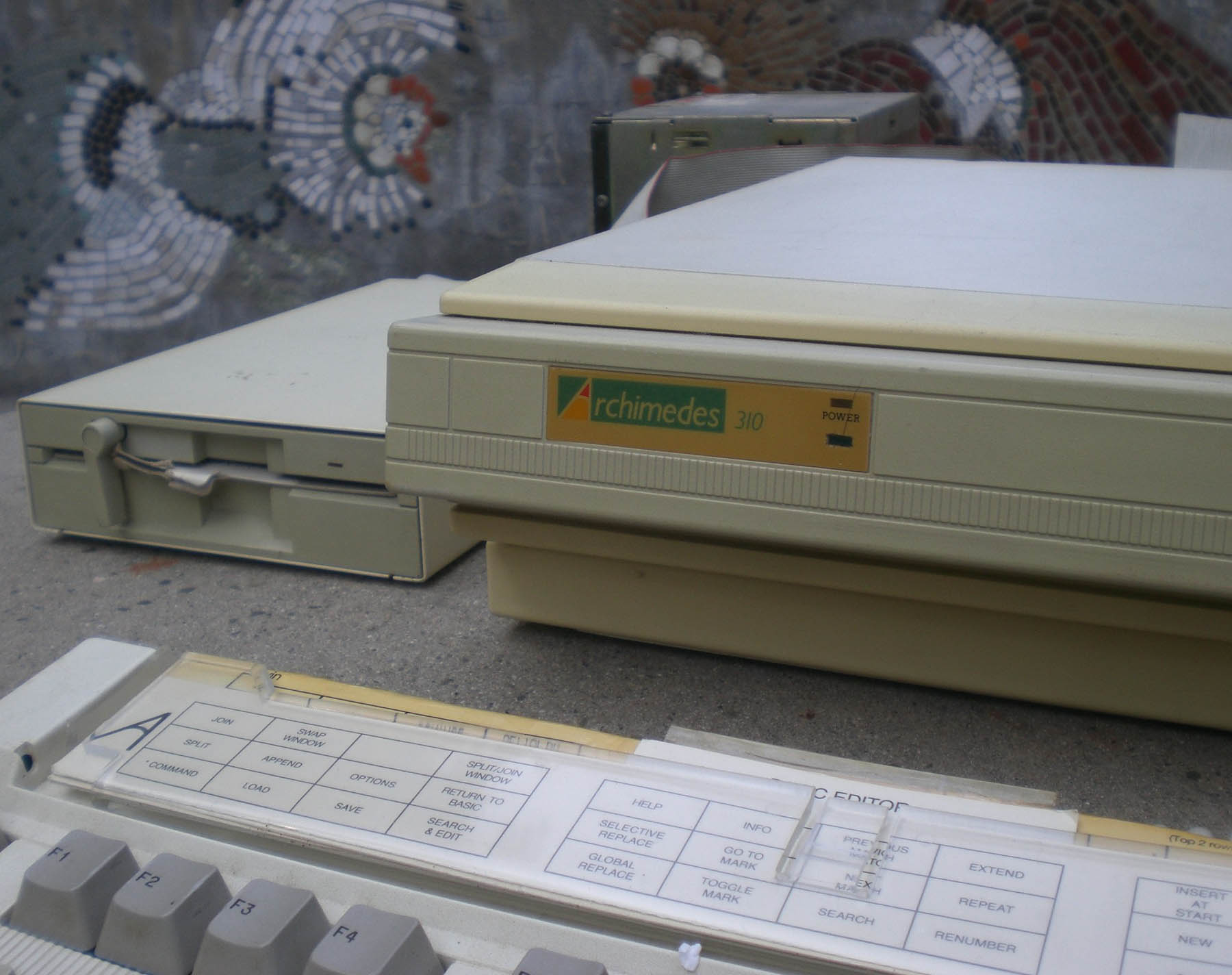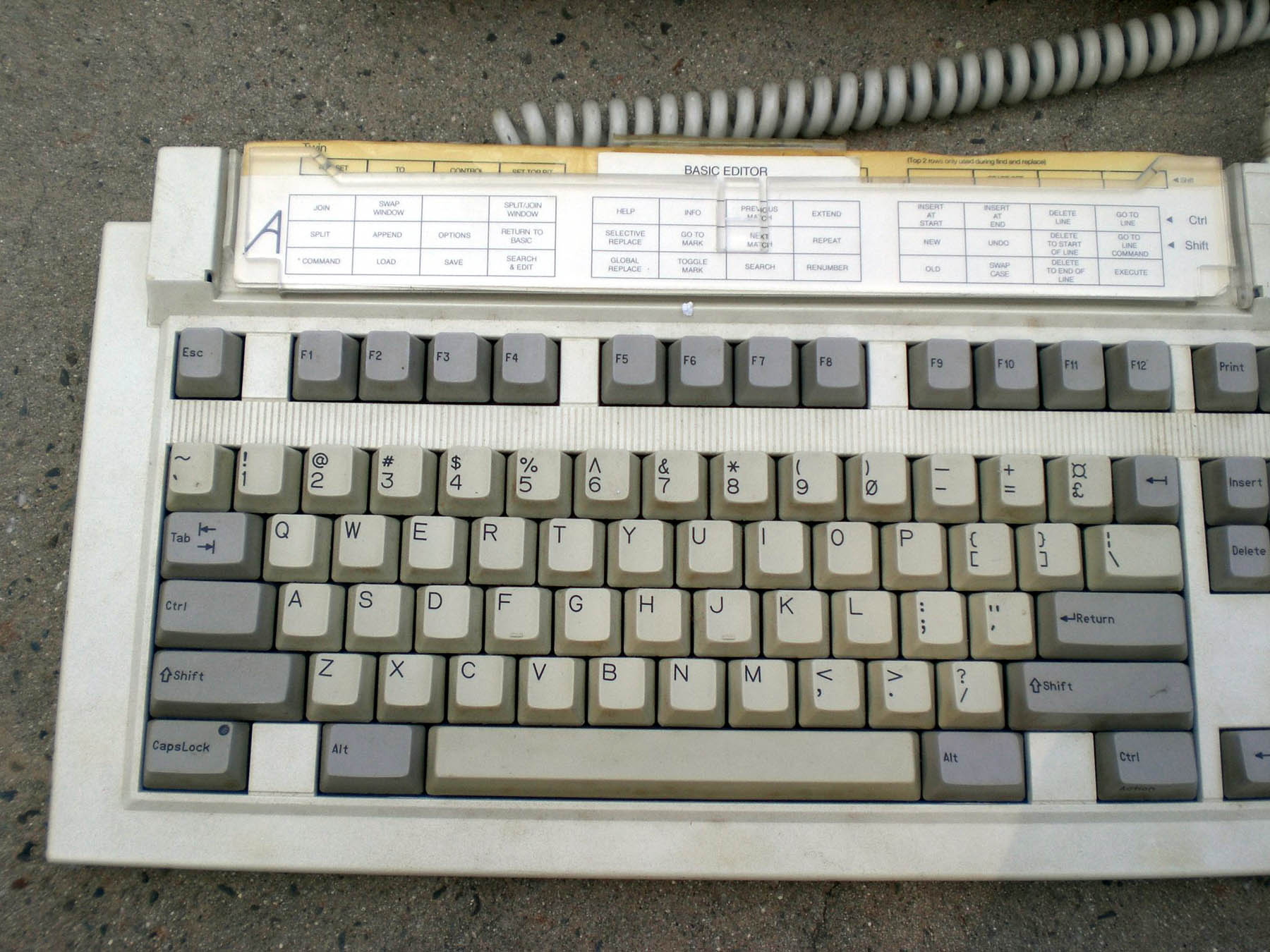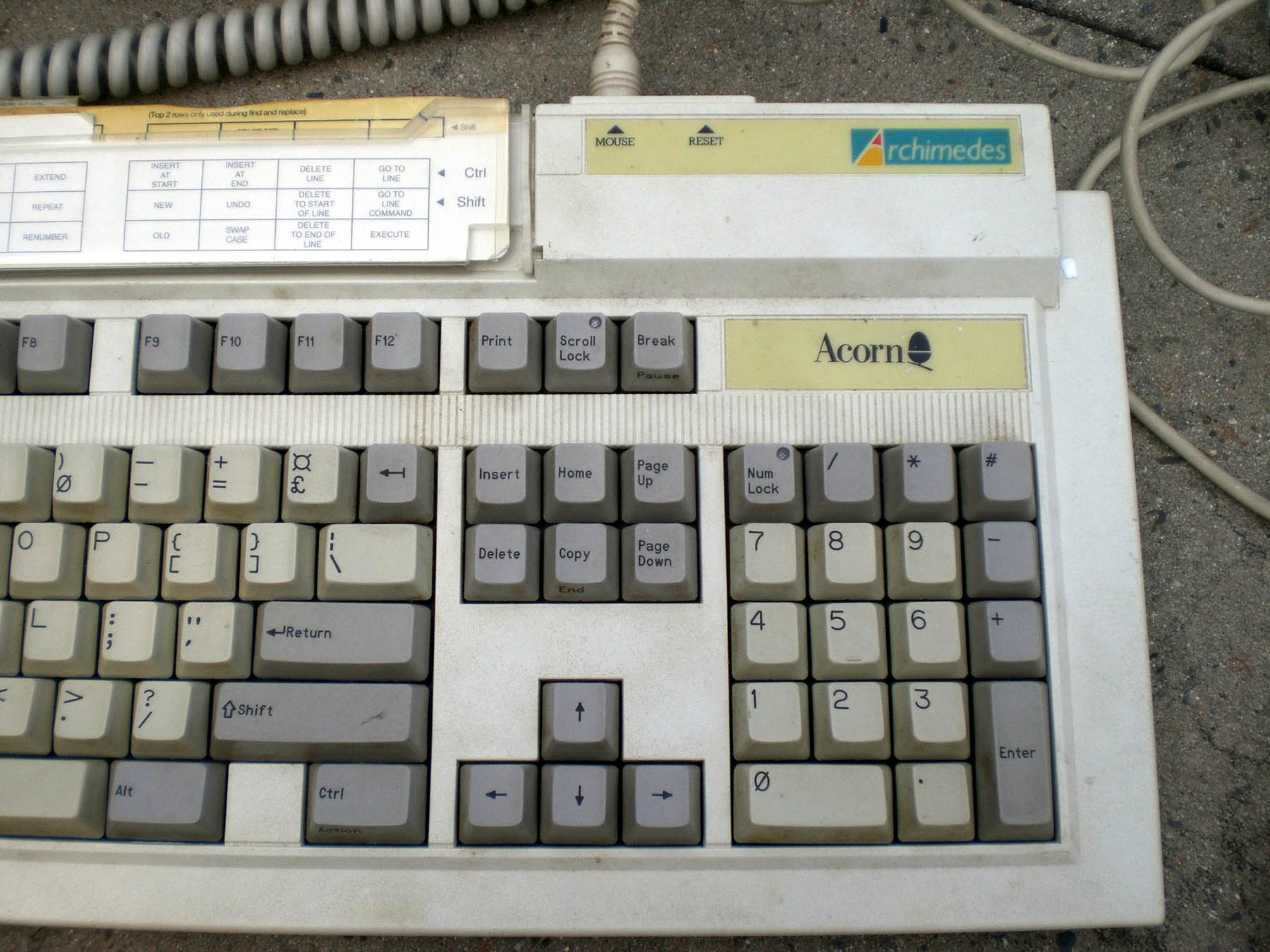
by dfsmith on 2008-05-03 01:13:51
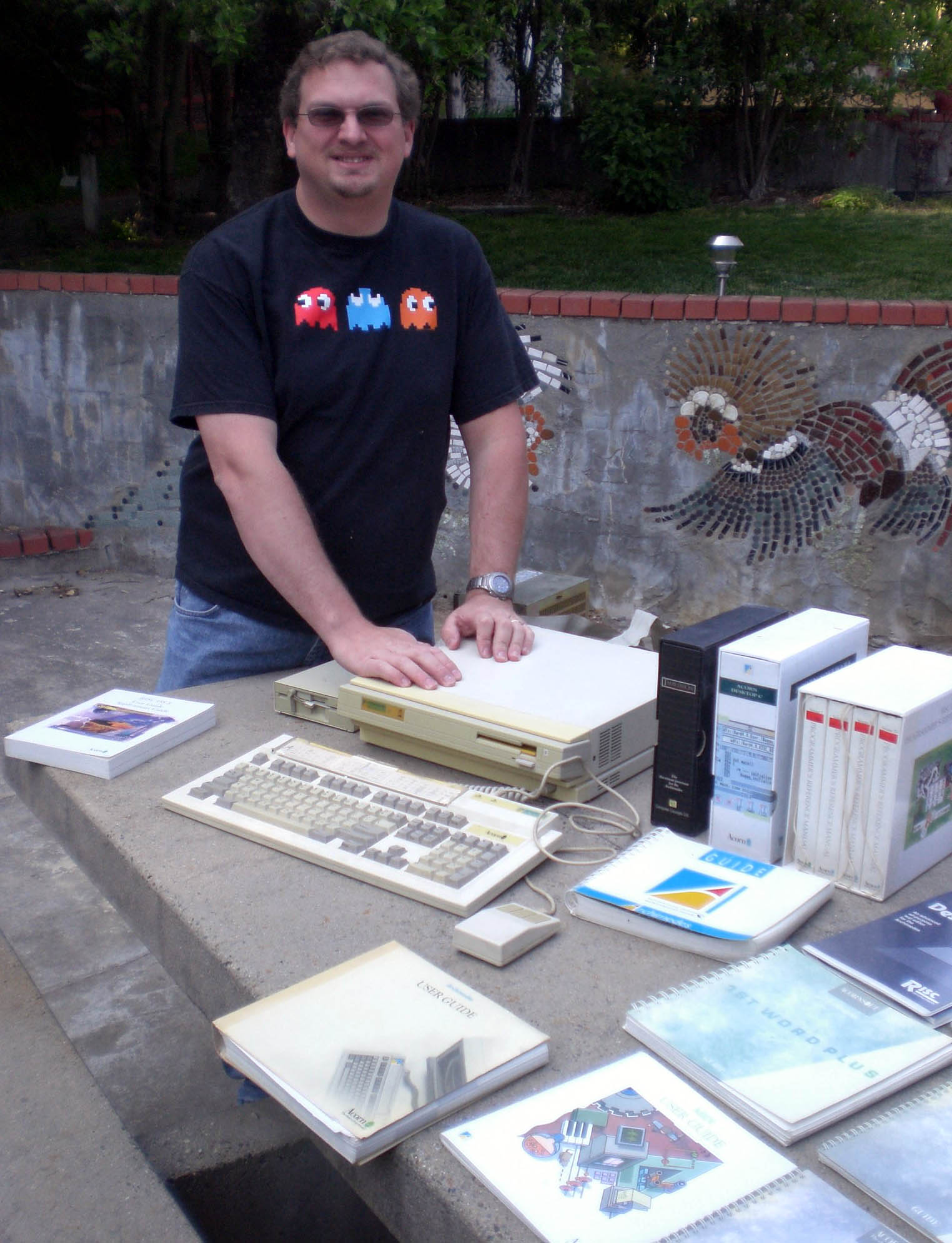
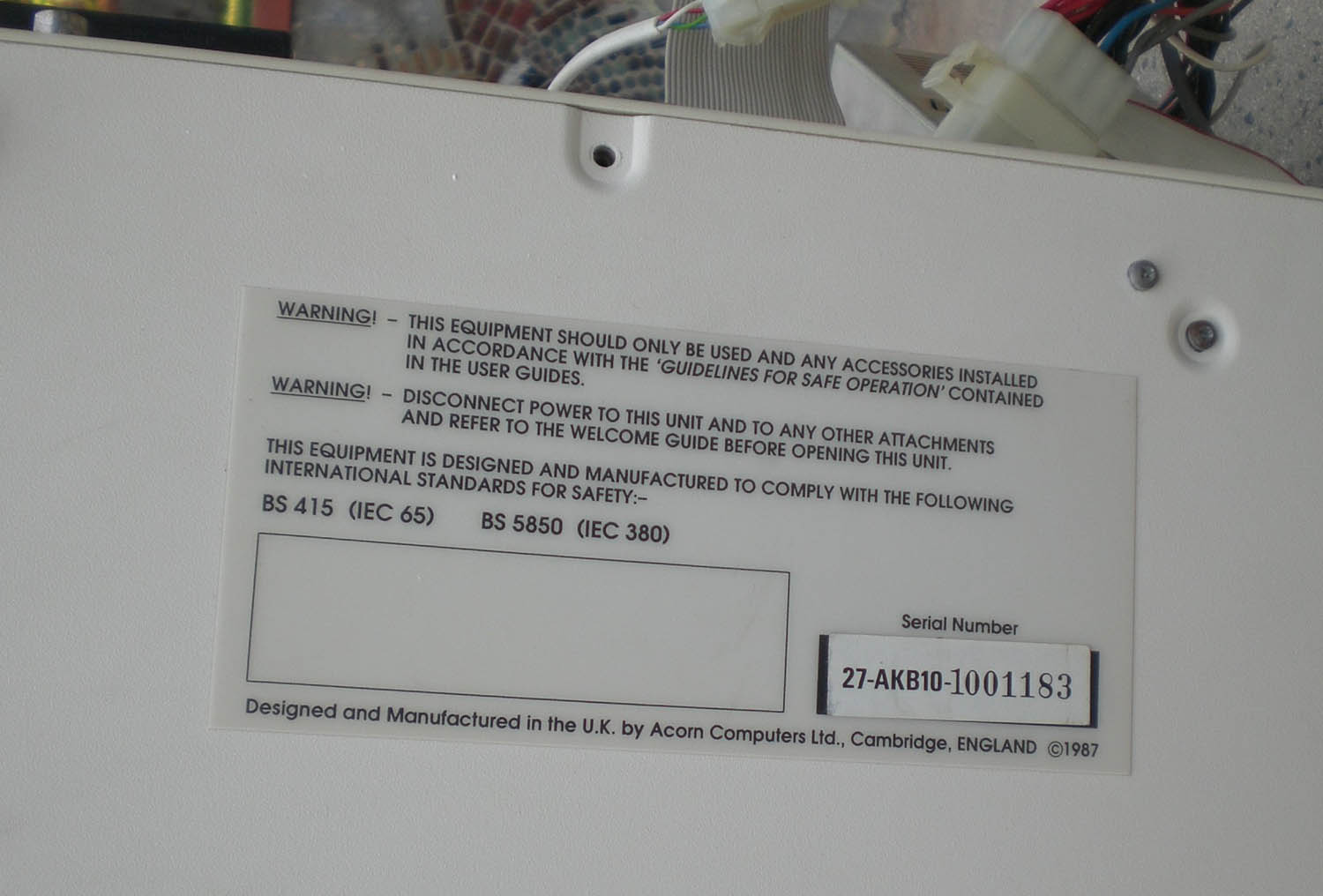
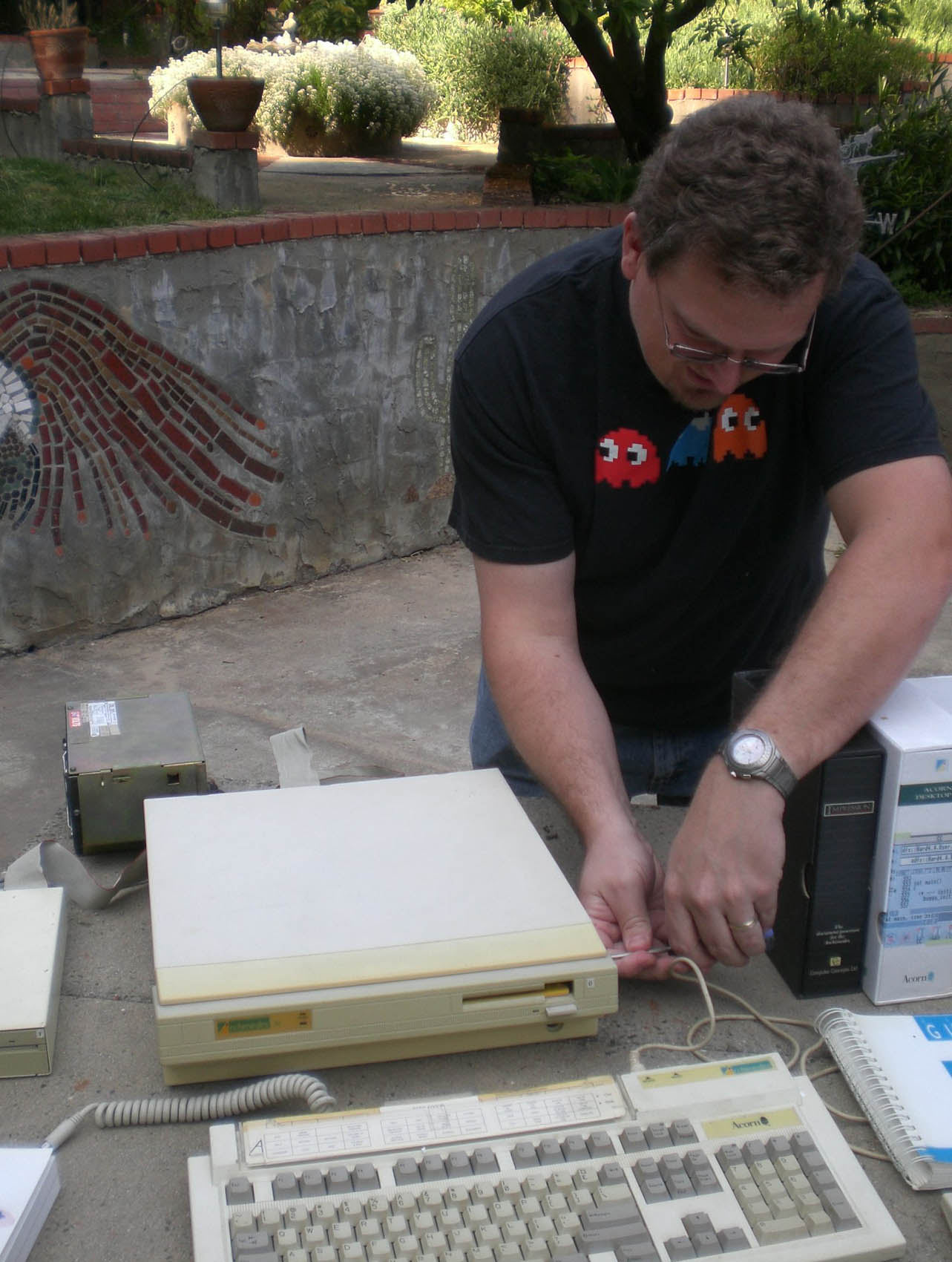
Think back 20 years to 1987.I was a 15 year old nerd in high school in the UK, and the Archimedes had just been released.It was the fastest personal computer available, using 4 MIPS of ARM2 CPU.And it had a price to match!Naturally I entered every competition I could to win one of these sparkling new machines---and third time lucky.
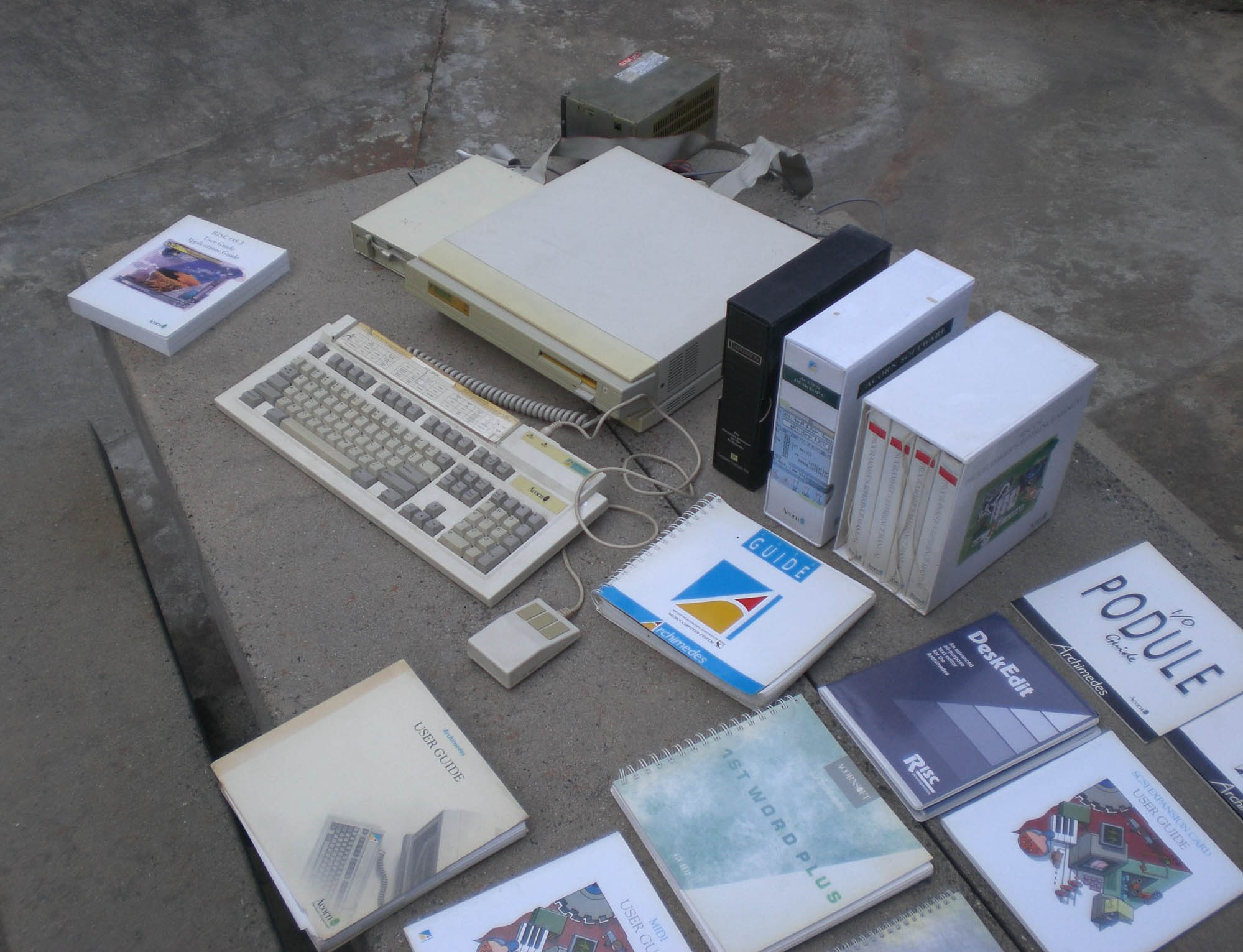
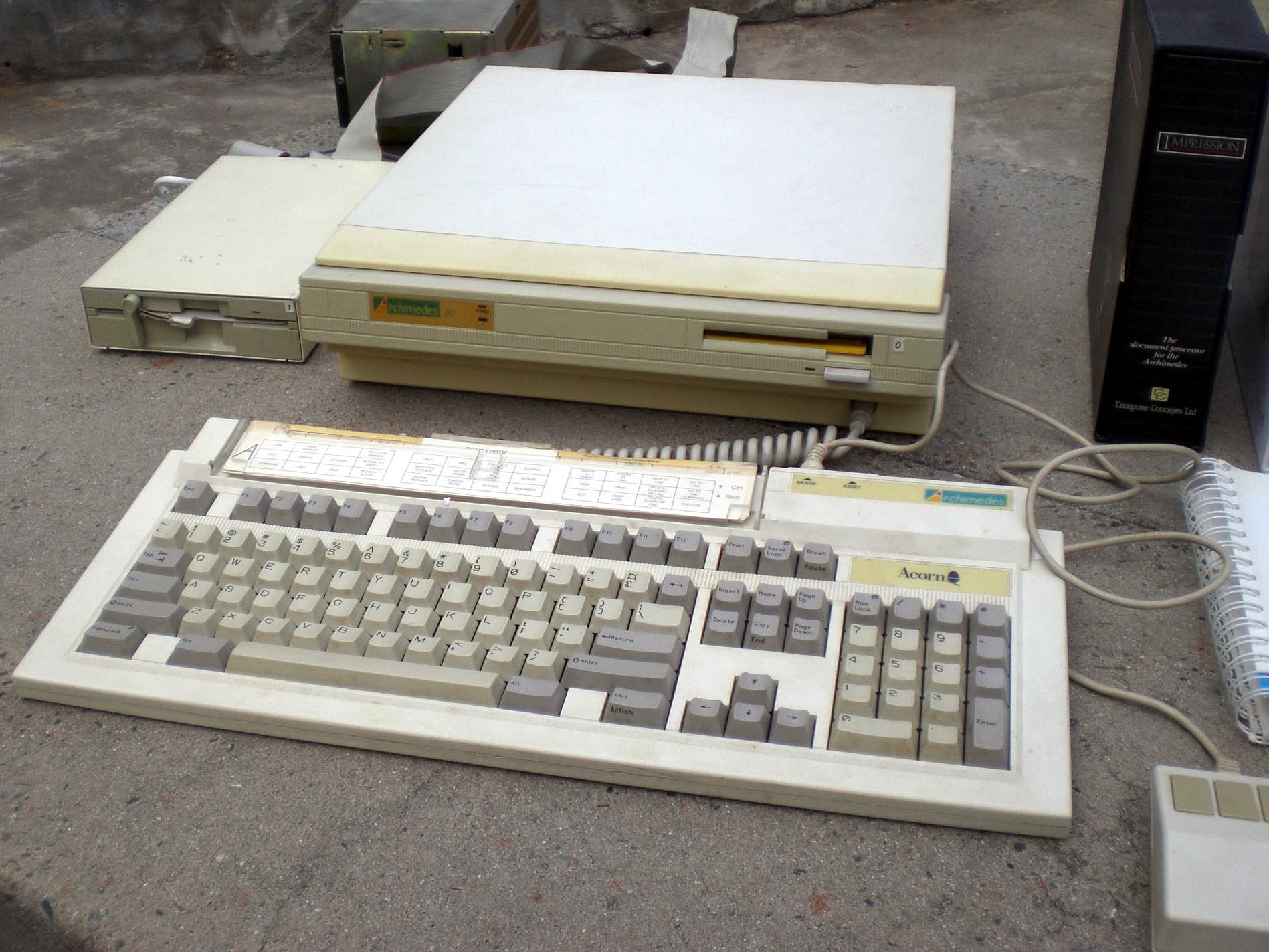
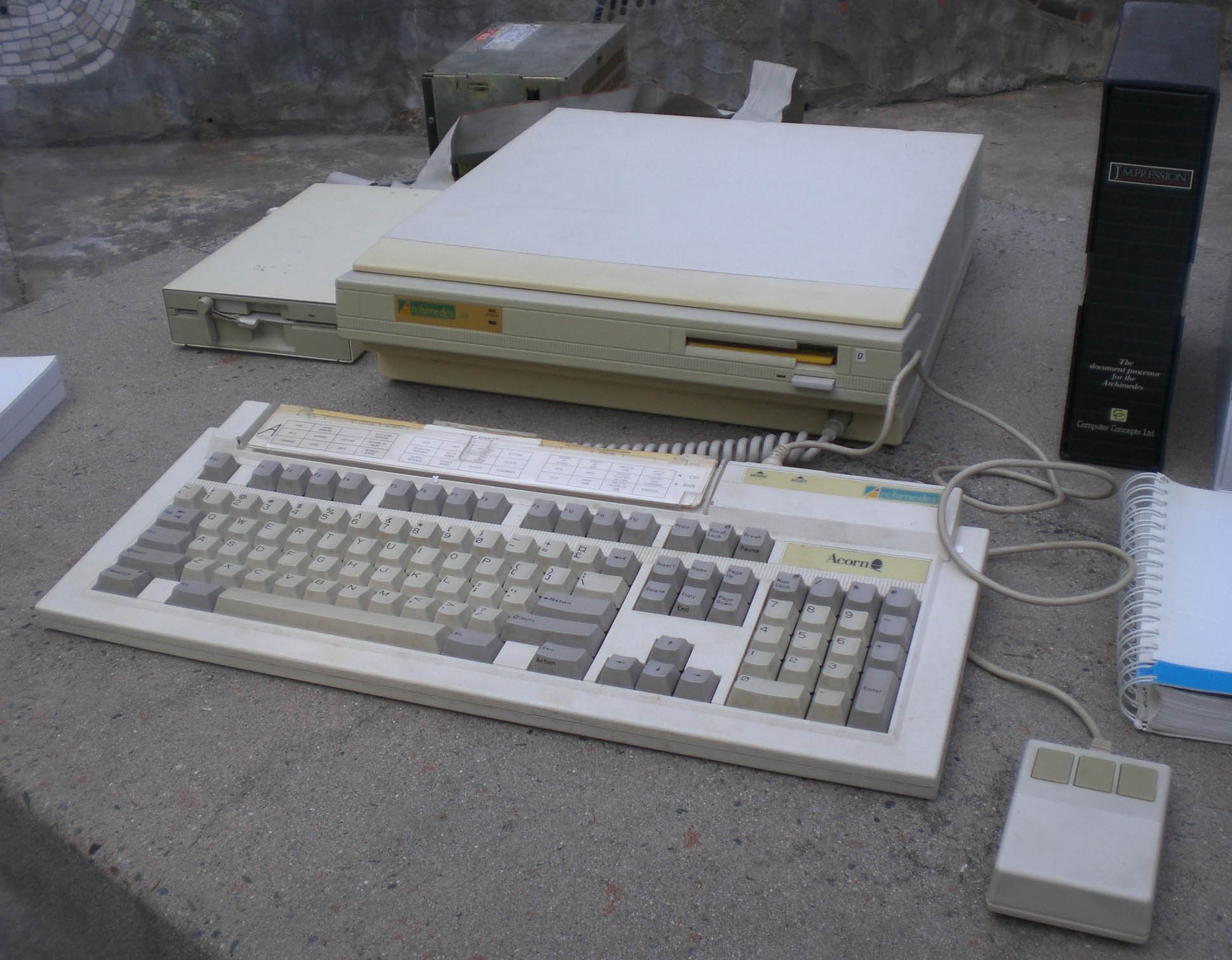
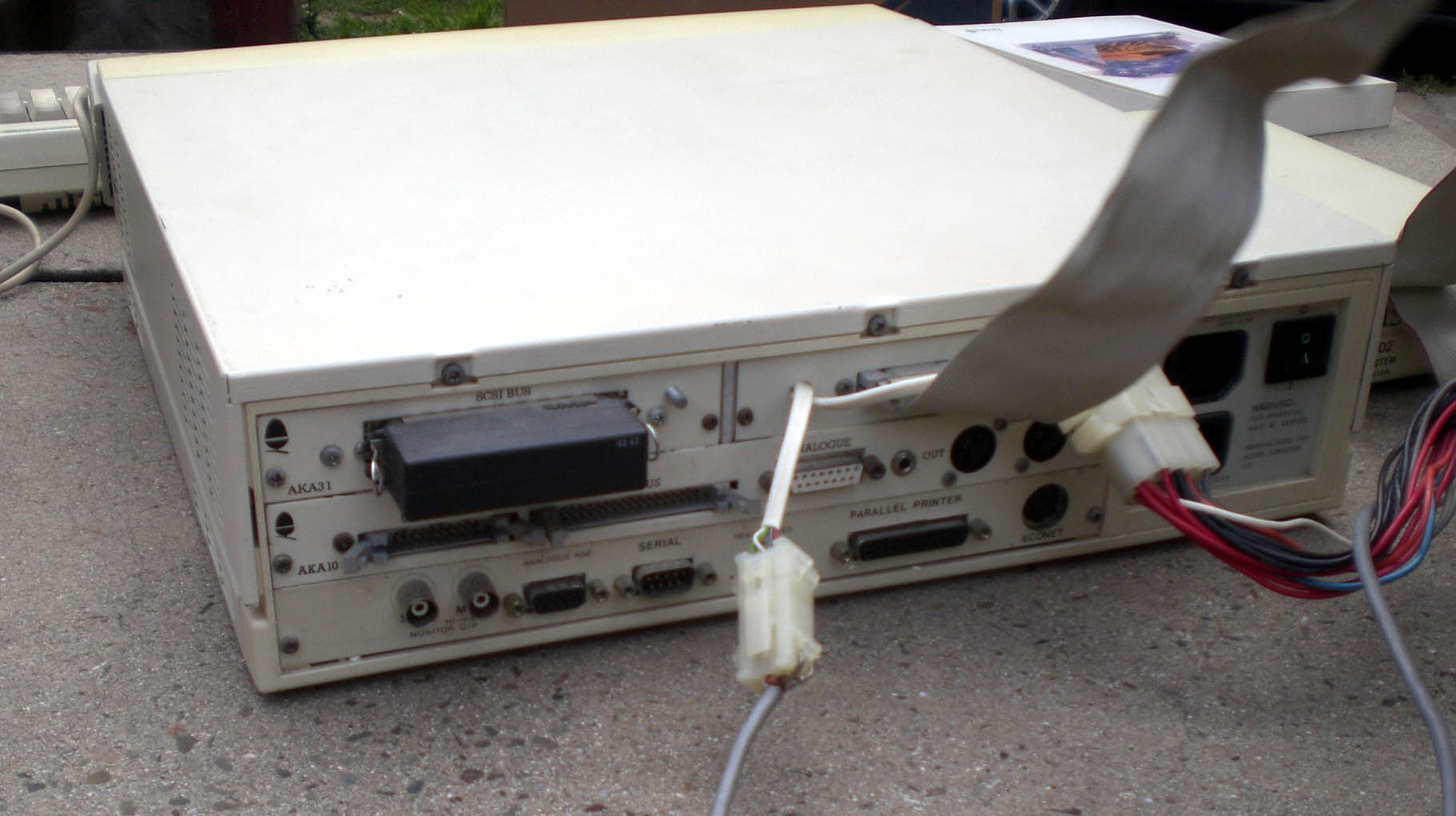
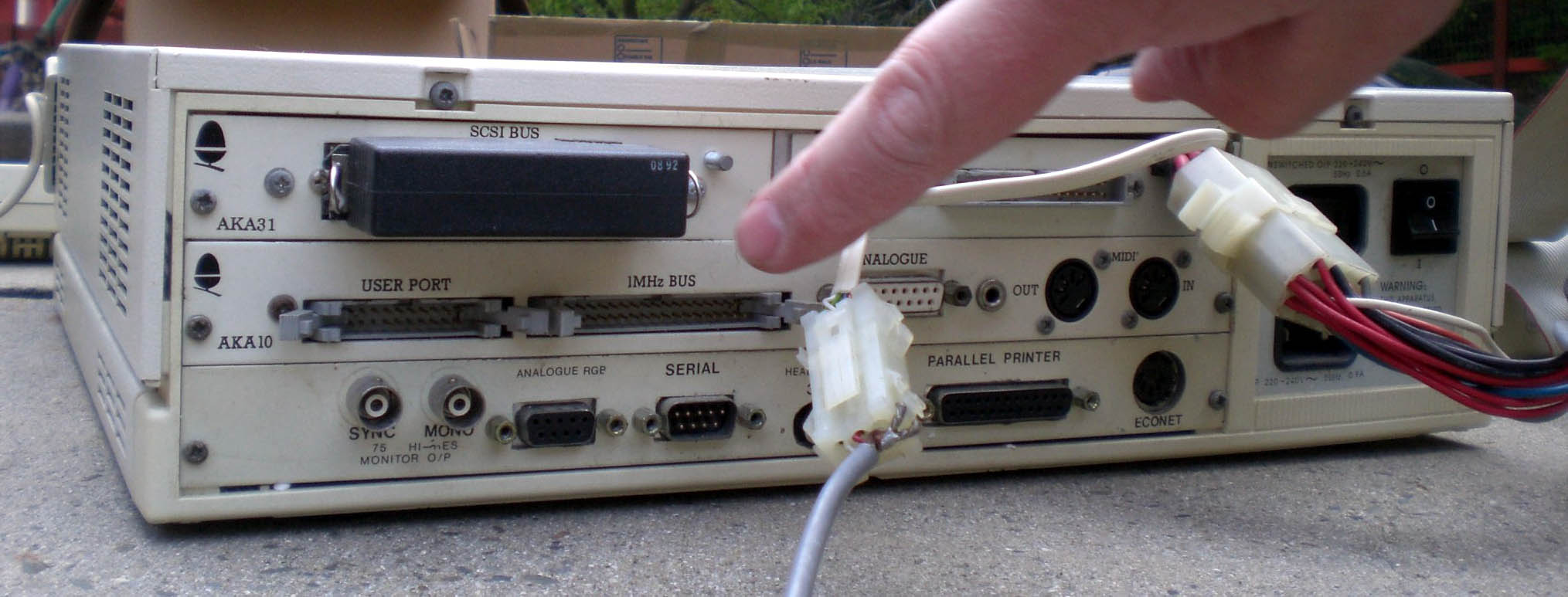
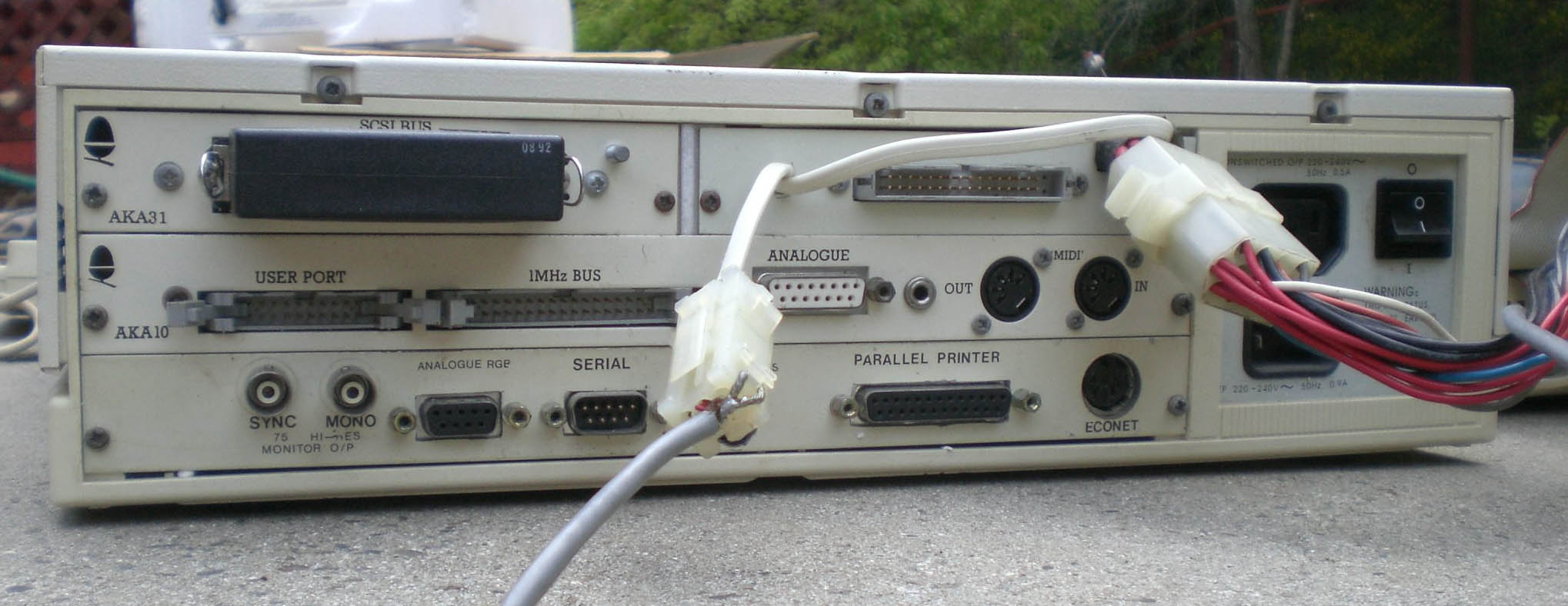
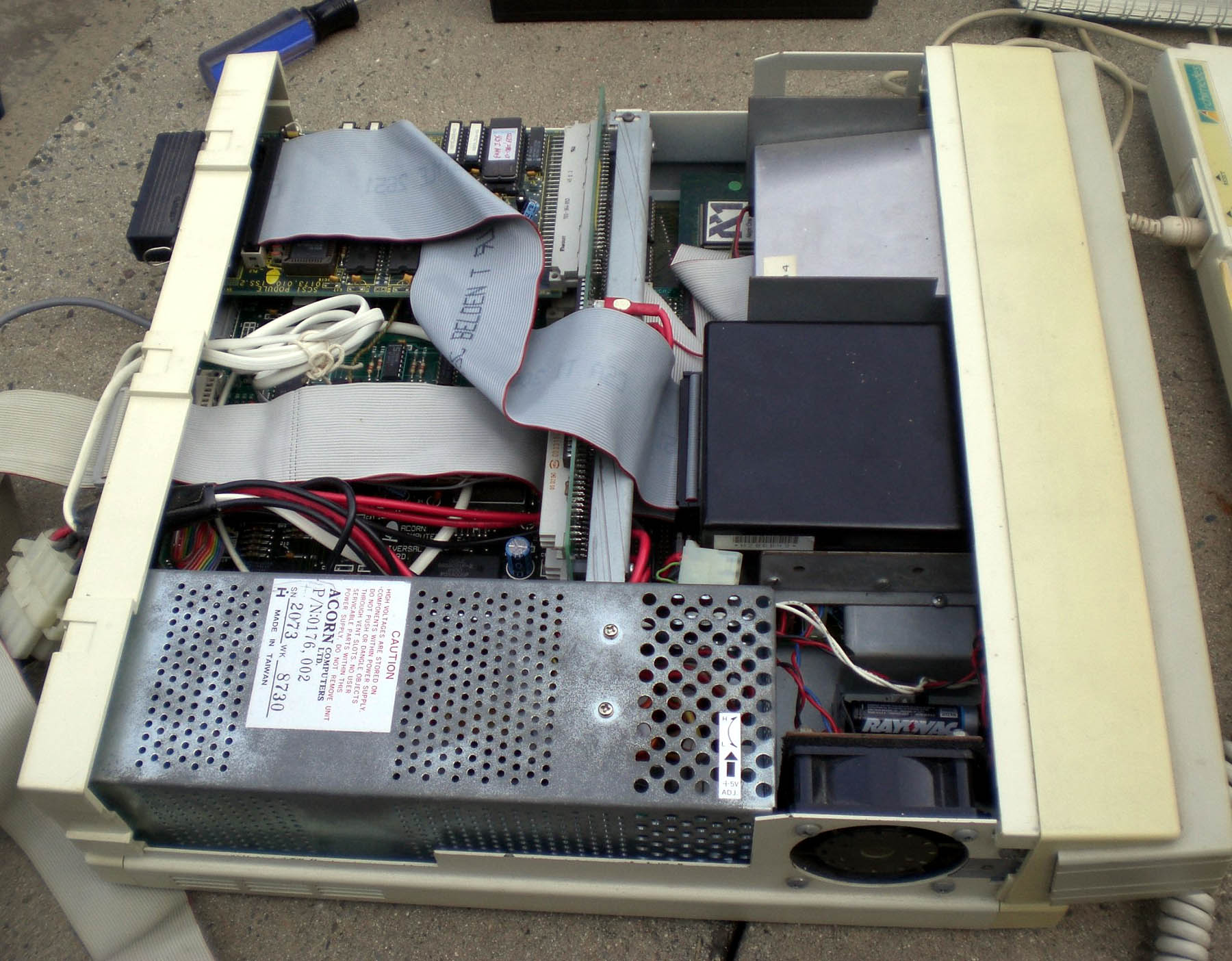
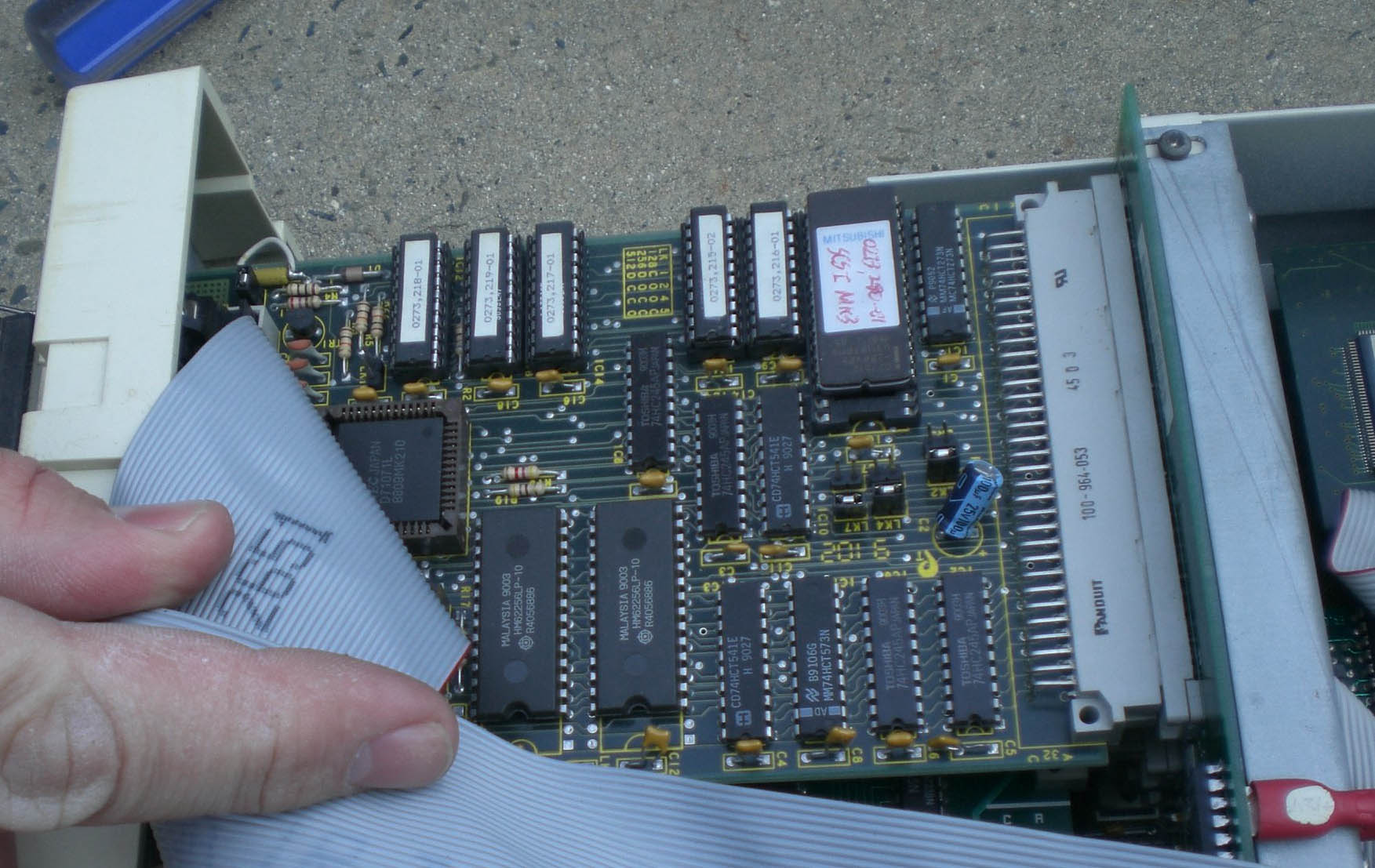
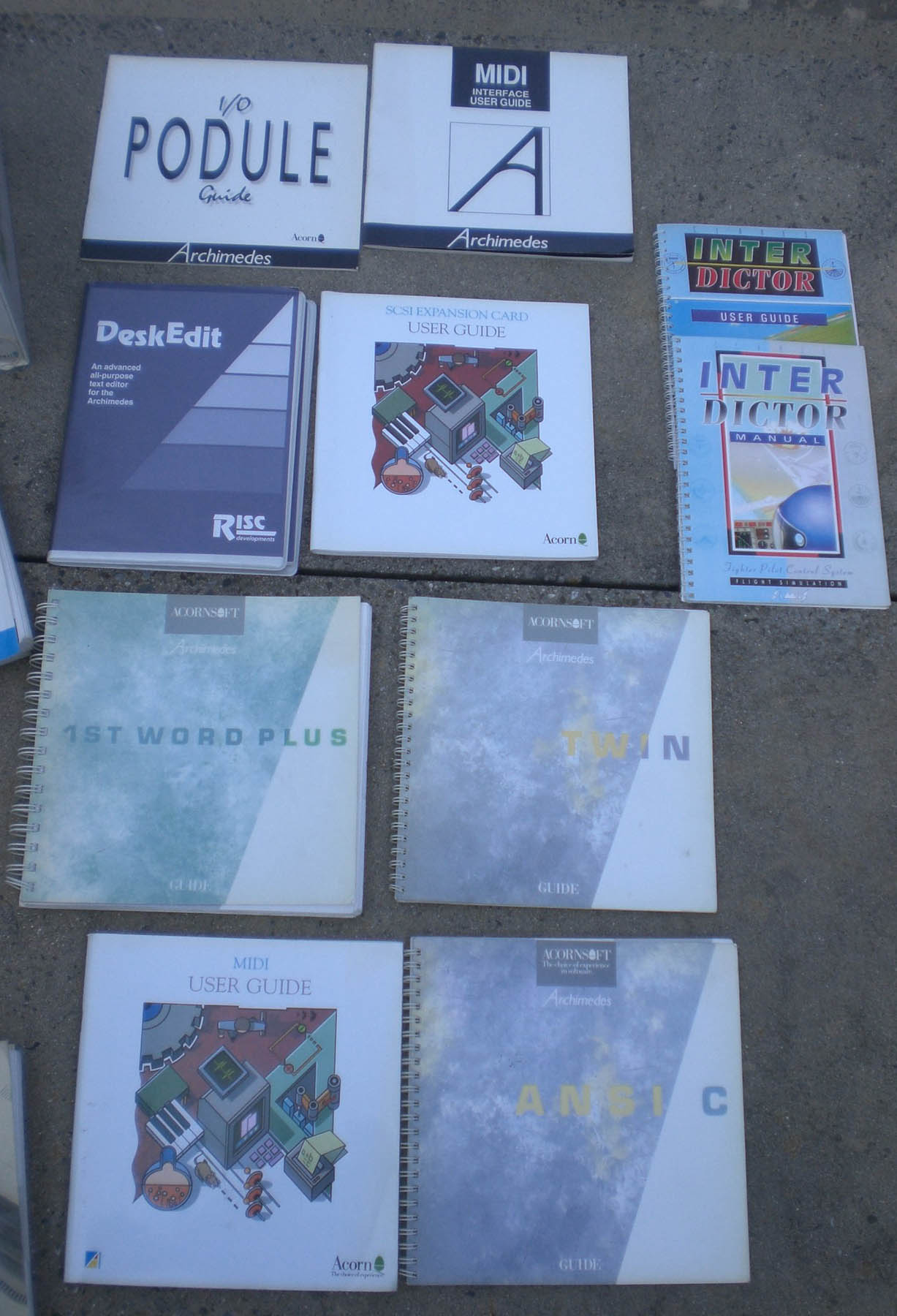
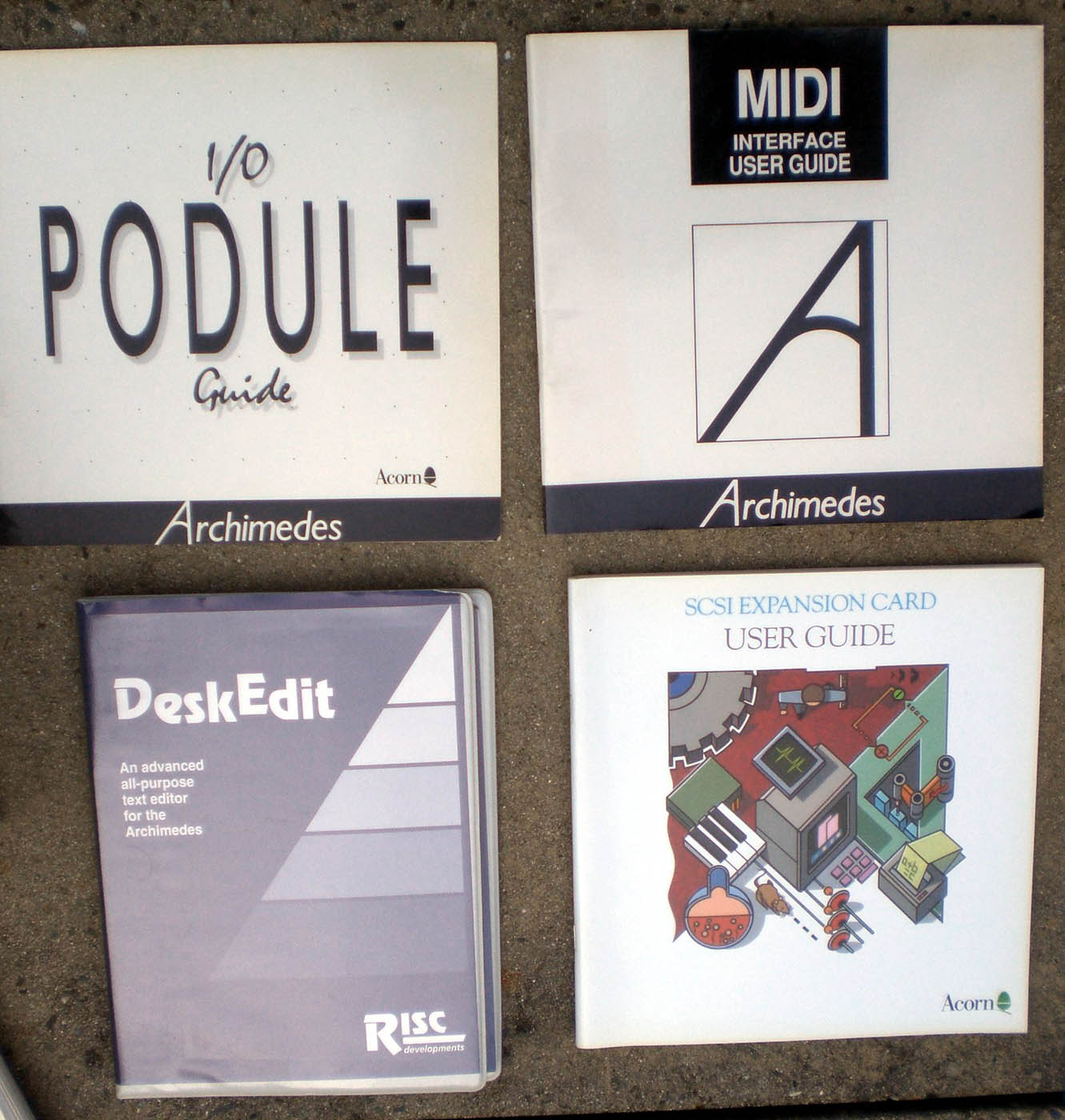
The machine served me through to 1994, and in the process it gained an ARM3 processor (24MHz with cache), a new motherboard (from A305 to A440), SCSI card (first Oak, thenAcorn), I/O Podule (bus port, I/O and MIDI), and inevitably an external power supply.
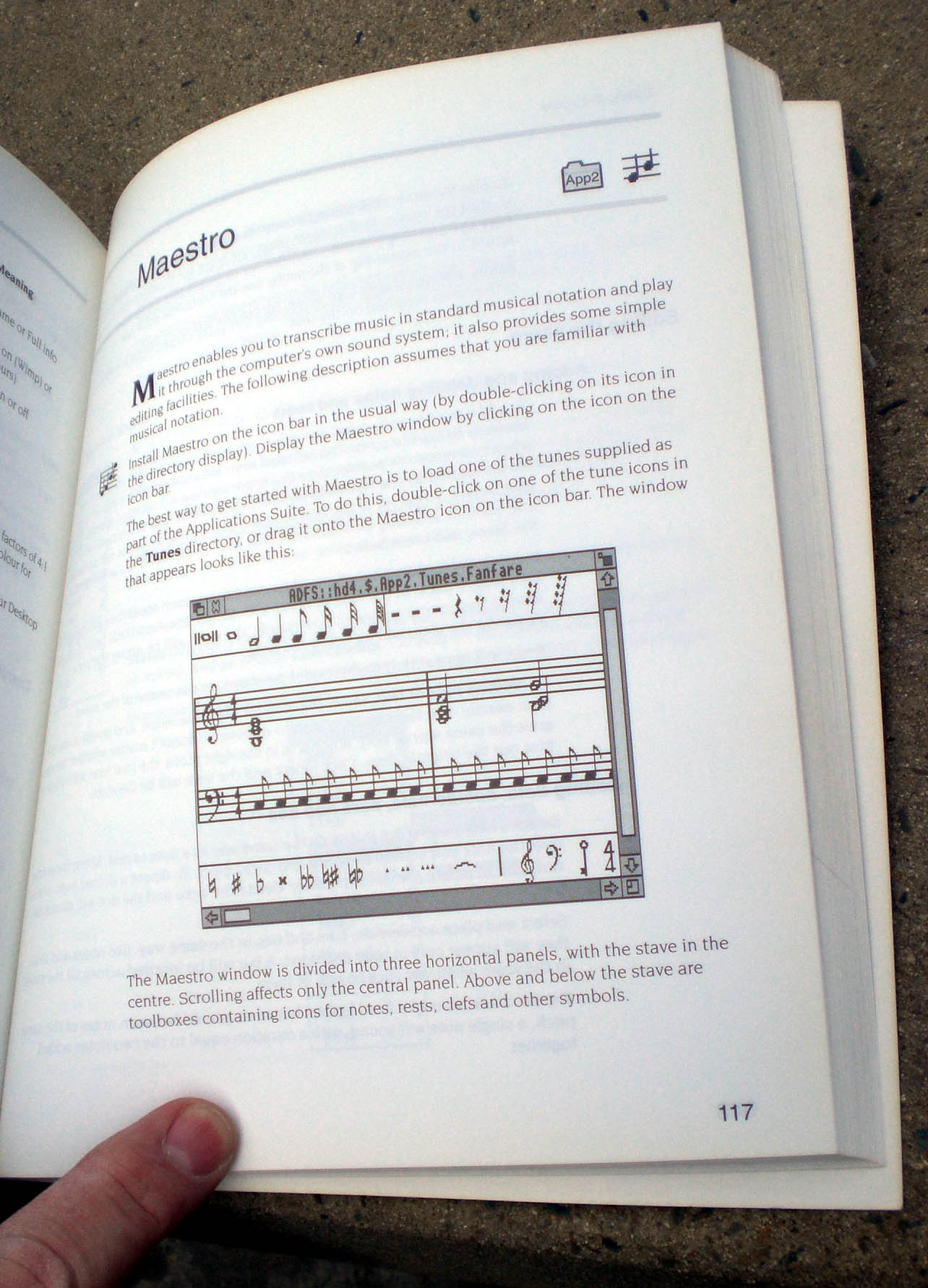
The Archie had a featureful architecture ahead of its time, but it was leapfrogged by the current generation of OSes.RISCOS3 came on 2MB of ROM, allowing the machine to boot straight into a WIMP (GUI) desktop.(The earlier OSes of Arthur 0.3, and RISCOS came on somewhat smaller ROMs.)The ROMs contained a pseudo-filesystem of OS modules, such that modules could be disabled and replaced with updated modules in RAM, loaded from disk.It was somewhat similar to device drivers, but worked pretty much every time.
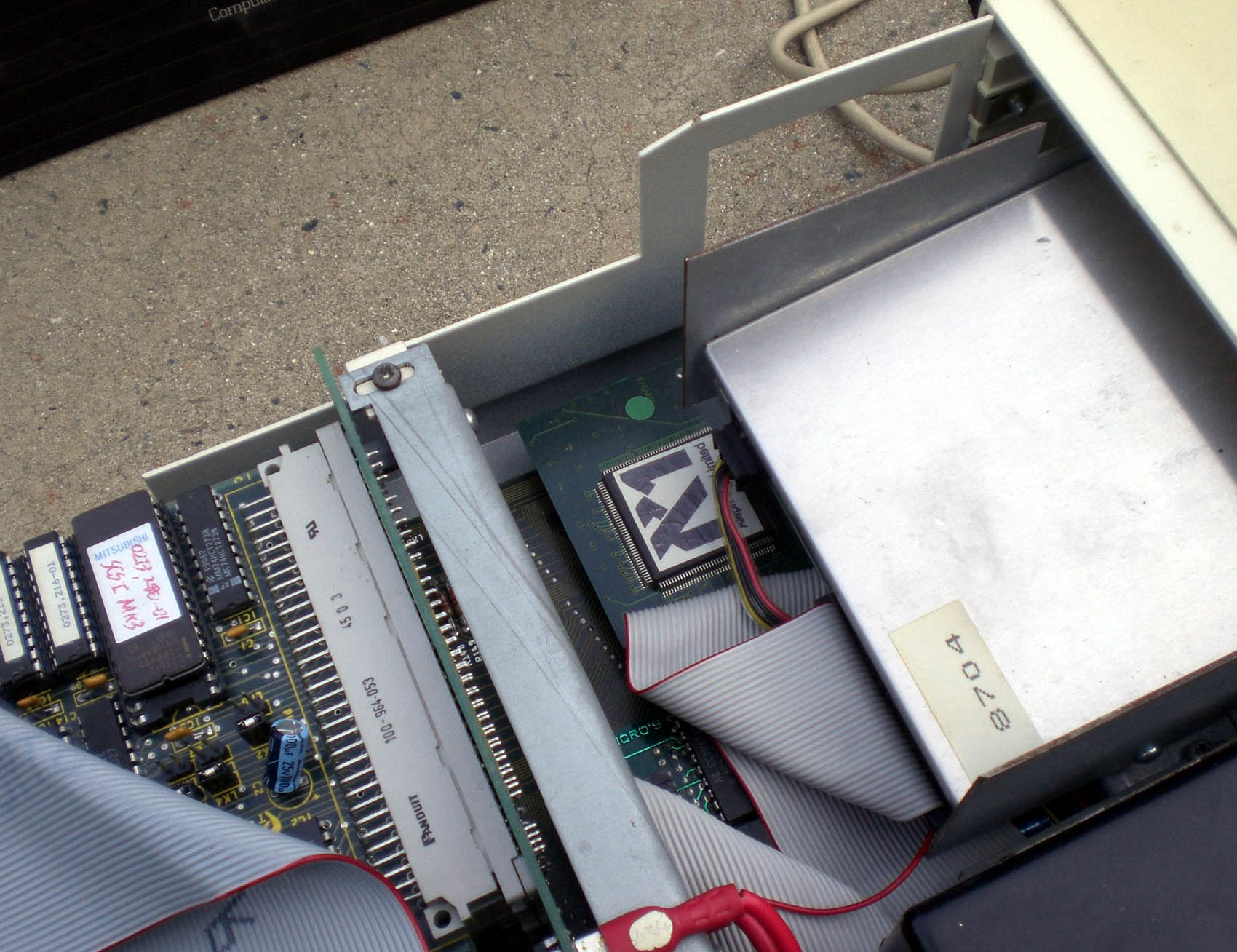
The ARM CPU was flanked by two other chips.
The MEMC chip could run virtual memory, but mostly just did page mapping.
The VIDC chip controlled video, pulling a frame buffer from main memory.The refresh rates (15kHz horiz) are rather pedestrian by today's standards, but it was good for the time.The A440 motherboard also has two coax outputs (csync and intensity) that could push video output into the mega pixel range, albeit in mono.Sound was also generated by VIDC, using a 8-bit DAC, compressed to deliver an effective 12 bits of resolution on 2 channels.The mixing for multiple channels was done by interleaving samples in the sound buffer.
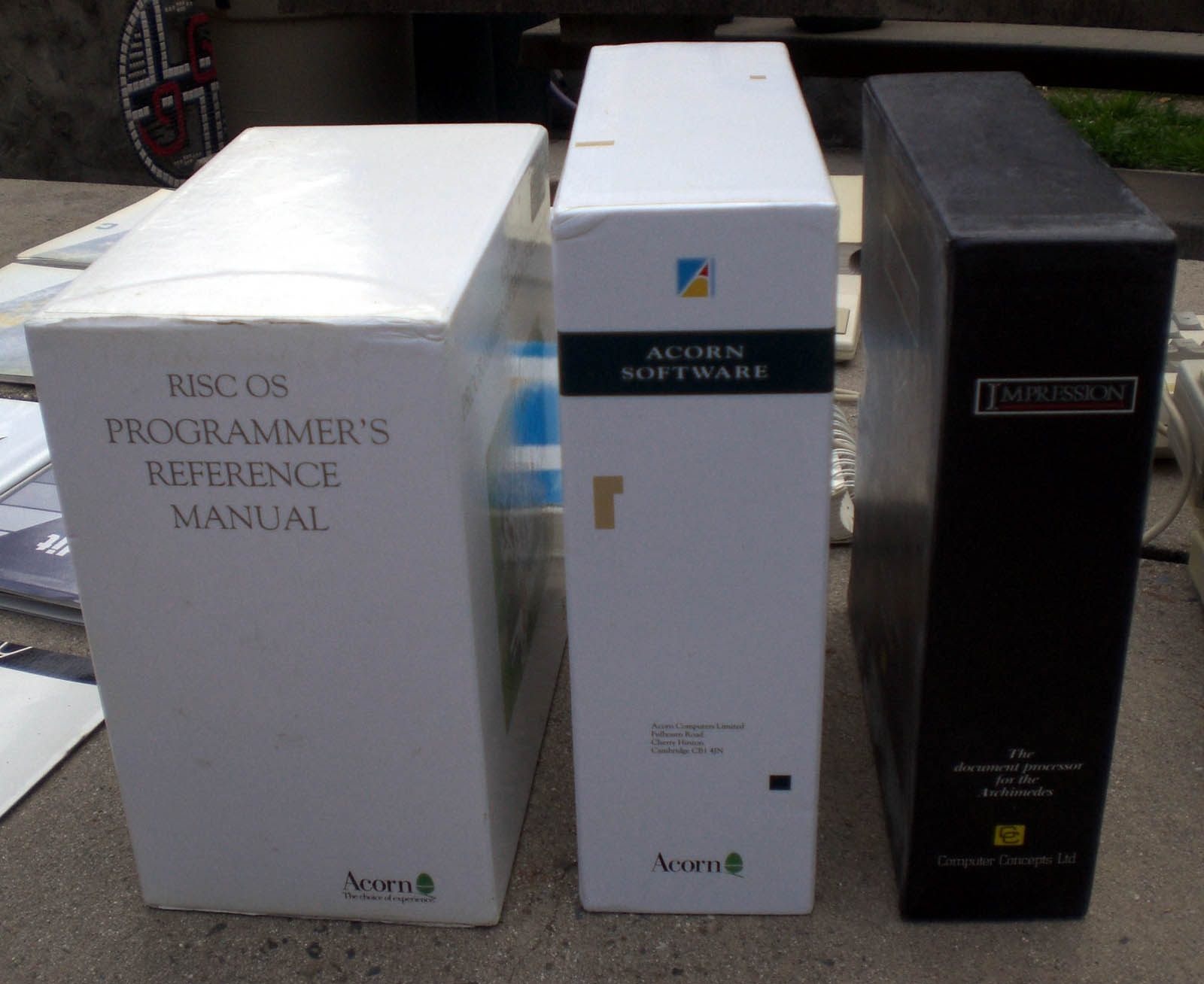
A few wonderful programs came out for it.Notably Impression, a desktop publishing package that even then worked better than a lot of DTP packages today.And Artworks, a drawing package.(Artworks became the Xara family of packages when the Computer Concepts company realized the IBM-style PC was taking over.)
This machine still works, although the hard disk has died.
|